
A$1 Deposit Casinos Australia: What’s Real, What’s Marketing, and What’s About to Change
 Available in AU
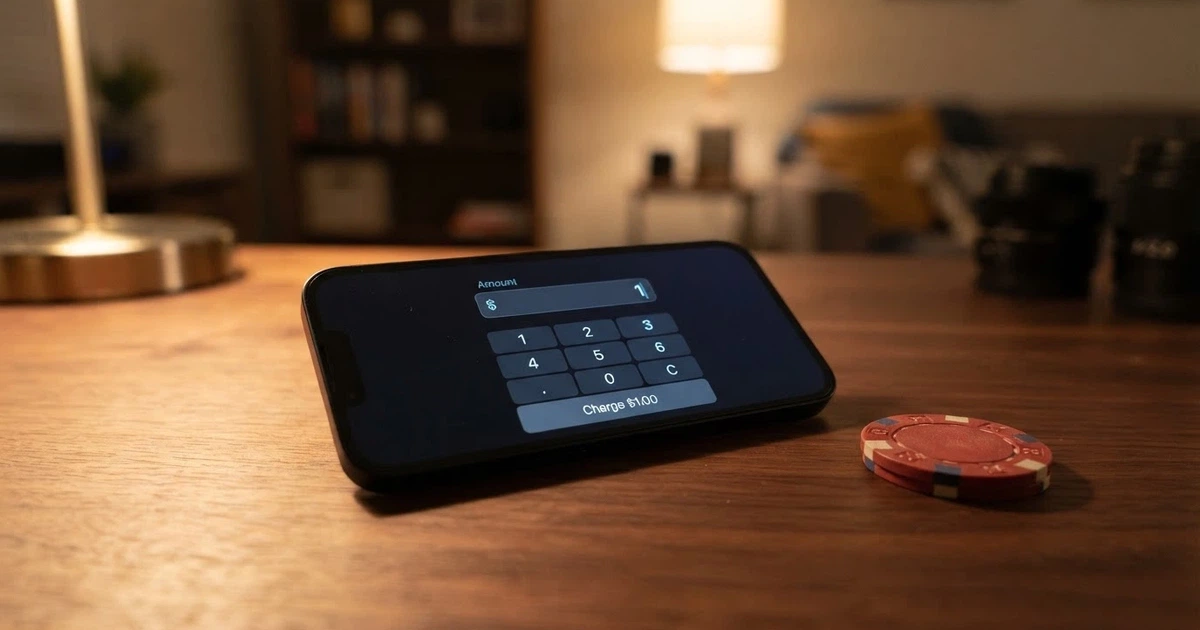
A dollar buys you a poker machine spin in 2026. It does not buy you entry to a licensed Australian casino, because no such licence exists. What it buys instead is an account at an offshore operator — one that accepts your deposit, takes your bets, and runs under the rules of a jurisdiction that is not Australia. This page is the working out of one question: when a casino says you can deposit a single Australian dollar, what happens between that claim and the money actually clearing?
Verified against ACMA’s blocking register and the Interactive Gambling Act 2001 (Cth) as of 18 October 2026.
Table of Contents
- The $1 Deposit Casino Promise: What the Cashier Actually Shows
- Best $1 Deposit Casinos for Australians in 2026
- Your Dollar on the Reels: What Pokies Run at Minimum Deposit
- The Payment Methods That Decide Whether $1 Is Enough
- Mobile $1 Deposits: Convenience vs Reality
- New $1 Deposit Casinos: Fresh Risk or Better Terms?
- The Legal Reality: No $1 Deposit Casino Is Licensed in Australia
- Staying Safe When the Safety Net Doesn’t Reach
- How We Selected and Ranked These Casinos
- Is a Dollar Enough? The Verdict on $1 Deposit Casinos
- Frequently Asked Questions
The $1 Deposit Casino Promise: What the Cashier Actually Shows
The phrase “$1 minimum deposit casino Australia” does a lot of work. It implies a category, a price point and a jurisdiction, and none of the three is quite what a punter expects. The category doesn’t exist as a licensed product — no Australian licence exists for online casino or online pokies, federal or state. The price point is often a marketing claim that the cashier quietly contradicts. The jurisdiction is whatever offshore licence the operator holds, almost always Curacao. Read the small print before you read the headline.
Of 32 AU-facing casino sites audited for a 2026 deposit-floor guide, only six accepted a clean A$1 through a payment method that did not strip the dollar in fees. The remaining twenty-six either set a A$10 floor at the cashier despite advertising low minimums, demanded A$10 to A$20 to unlock a welcome bonus on top of a lower base deposit, or quietly bumped the threshold upward after KYC. “Do not trust a $1 deposit claim unless the live cashier clearly confirms it” is not a hedge — it is what the audit found in twenty-six of thirty-two cases.
The gap between the advertised floor and the cashier floor is the most consequential number on this page. Players who trust the homepage banner find a higher floor at the deposit screen. Players who read the cashier first know exactly what they’re paying. That is the entire game.
The $1 Deposit Claim: What the Cashier Really Shows
The cashier is the source of truth. Not the homepage banner, not the affiliate review, not the Terms & Conditions summary — the live deposit screen, with the chosen payment method selected, showing the actual minimum that will clear. A casino advertising “deposit from A$1” can route you through a third-party payment processor whose own minimum is A$10 or A$20, and the cashier reflects that processor floor before it reflects the casino’s claim.
A$1 is not a reliable standard minimum for ordinary Australian payment methods in 2026. PayID, the default Australian real-time payment rail, can clear as low as A$1 in theory. In practice, many PayID processors enforce their own floor at A$10 or A$20. A casino that routes your PayID through a third-party processor passes that processor’s minimum on to you, and the casino’s advertised A$1 quietly becomes an A$10 or A$20 deposit in the cashier.
The cleanest route to A$1 is through cryptocurrency. Bitcoin and other digital currencies are not blocked by Australian-licensed operators — but that is precisely because licensed Australian operators do not offer online casino, and the offshore casino you are playing at does not answer to the Australian rule that has banned crypto for online wagering since 11 June 2024. The minimum holds at A$1 because no fiat processor is involved to lift it.
This is the operational reality behind the marketing claim. “Deposit from A$1” means “deposit A$1 via crypto, or A$10 via PayID if you’re lucky and the casino isn’t routing you through a third-party processor.” The headline hides the condition. The cashier shows it.
Real Money, Real Risk: Playing for AUD at the Minimum
A dollar buys real-money play at an offshore casino, in the literal sense — the bets land on real games and the wins, if any, are paid in real currency. It does not buy you AUD in any protected sense. The Australian-dollar denomination is a display choice; the operator is offshore, the licence is offshore, the dispute resolution (if any) is offshore, and the protection regime is whichever one the operator’s home jurisdiction offers.
A A$1 bankroll constrains game choice in ways that players new to offshore casinos do not always anticipate. Most online pokies have minimum bets that start above the lowest denomination — a typical minimum sits between A$0.10 and A$0.50 per spin on a multi-line game, with the effective minimum per spin higher once you account for the line count on a modern pokie. A$1 at A$0.10 per spin gives you ten spins at the bottom of the range, and probably fewer on the games most players actually want to play. The session is short by design.
What that session costs in real money depends on what you hit. The house edge on a typical online pokie is between 3% and 8%, so the statistical expectation across those ten spins is a loss of roughly A$0.30 to A$0.80 of your starting dollar. The range is the house edge at work. The actual outcome is binary. Either the dollar stretches into a session with a small payout, or it vanishes on the first spin. The dollar is the size of the experiment, not the size of the bankroll.
First Deposit vs Reload: Who Gets the $1 Rate
The A$1 floor is an acquisition price. Returning players do not get the same minimum on reload deposits — at most of the featured operators, the cashier floor for reloads is A$10 or A$20 even when the welcome deposit cleared at A$1. The marketing emphasis is on the entry point, not the steady-state cost.
Where the welcome bonus sits on top of that A$1 deposit, the unlock condition usually sits above it. Many of the audited sites required a A$10 to A$20 deposit to release the welcome bonus even when the casino’s own deposit minimum was lower. A player depositing A$1 to test the cashier might find the bonus locked behind a larger deposit — the A$1 has cleared, but the offer has not. The headline figure remains A$1. The actual cost of claiming the headline offer is two to twenty times higher.
Micro-deposit bonuses, where they exist at the A$1 tier, are deliberately modest. The typical match is 100% to 200% of the deposit, but capped at A$5 to A$10. A A$1 deposit matched at 200% returns a A$2 bonus, not a A$5 one — the cap is the ceiling, not the percentage. The free spins that come with these packages run 10 to 25 spins, against the 50 to 200 spins at higher deposit tiers. The dollar buys you a token entry, not a meaningful bonus position.
Best $1 Deposit Casinos for Australians in 2026
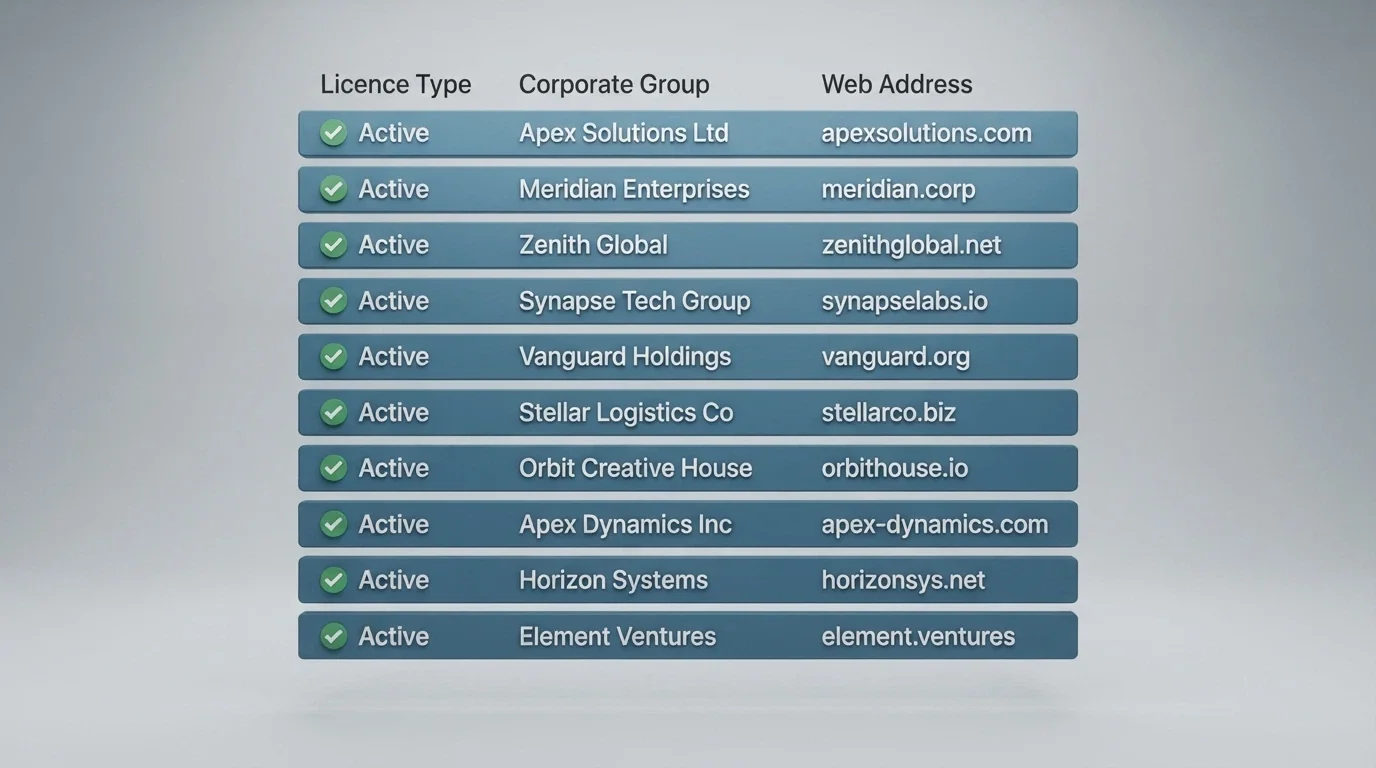
Ten offshore operators serve the bulk of the Australian market for low-deposit online casino. None is licensed in Australia. All are licensed in Curacao, the most common offshore jurisdiction for this category. The ranking below is a ranking of the operators Australians actually reach, not a ranking of trust — and the difference matters when you read the verdicts at the end of each write-up.
Operator Comparison: The 10 Offshore Casinos Australians Use
| Operator | Licence | Operator Group | Domain |
|---|---|---|---|
| Rocket Play | Curacao 8048/JAZ2020-013 (Antillephone N.V.) | Dama N.V. | Rocketplay.com |
| Skycrown | Curacao | Dama N.V. | Skycrown.com |
| Royal Reels | Curacao | — | Royalreels.com |
| Stake | Curacao | Medium Rare N.V. | Stake.com |
| FairGO | Curacao | — | Fairgo.casino |
| WinSpirit | Curacao | — | Winspirit.com |
| Rainbet | Curacao | — | Rainbet.com |
| Scream Casino | Curacao | — | Screamcasino.com |
| Bizzo Casino | Curacao | TechSolutions Group N.V. | Bizzo.casino |
| Rocket Casino | Curacao | Dama N.V. | Rocketcasino.com |
Dama N.V. shows up three times — Rocket Play, Skycrown and Rocket Casino sit in the same operator group. Stake and Bizzo are the two largest named-group operators outside that trio. The remaining five sit under the Curacao licence with the operating company unverified at the level of research available for this page.
What a $1 Bonus Costs in Play Time
A 100% match on a A$1 deposit produces a A$1 bonus. Wagering at 40x — the Rocket Play multiple and the middle of the 35x to 50x range competitor pages report for micro-deposit bonuses — means a required turnover of A$40. At minimum pokie stakes of A$0.10 to A$0.20 per spin, the turnover works out to 200 to 400 spins, which at a five-second cadence is 17 to 33 minutes of play, assuming only the bonus amount is wagered. The dollar buys between a quarter-hour and a half-hour of bonus-clearing play at the floor of the betting ladder — an average over many sessions, not a guaranteed outcome for any single one.
Rocket Play
Rocket Play is the only featured operator with fully verified bonus terms, licence data and operator-group information on this page. That is not the same as saying it is the safest or best — it is the only one whose paperwork could be cross-checked against the Curacao register and the operator’s own terms. Australian players comparing the ten operators should weight verified data higher than unverified data, and Rocket Play has the most verified data of the ten.
The casino operates under Curacao e-gaming licence 8048/JAZ2020-013, issued by Antillephone N.V., with company registration 152125 in Curaçao. Dama N.V. operates the brand, and Dama also holds an Estonian licence HKL000255. Friolion Limited, a Cyprus-registered company (HE 407624), facilitates operations. The Estonian licence is a second jurisdiction — relevant for European-facing operations rather than for Australian players, but it indicates the group operates across multiple regulatory frames.
The welcome bonus is 100% up to A$300 plus 100 free spins, on a minimum deposit of A$30. The free spins run on Aztec Magic Deluxe (BGaming), distributed at 20 per day over five days. Wagering is 40x on the bonus amount and 40x on the free-spin winnings, calculated separately. Maximum bet during wagering is A$7.50; maximum withdrawal from no-deposit bonuses is A$75. The bonus validity is five days from receipt.
Two things follow from those numbers. First, the welcome bonus unlocks at A$30, not A$1 — the headline A$1 deposit is the cashier floor, not the bonus threshold. A player depositing A$1 receives the bonus-free play; the welcome package requires thirty times that deposit. Second, the wagering multiple of 40x on both the bonus and the free-spin winnings is heavier than the 25x to 35x on standard offers in the wider market. The bonus is real money, but it is expensive bonus money.
The minimum A$1 deposit, where achievable, is via cryptocurrency only. PayID and other AUD methods sit at the casino’s standard floor, which is higher than A$1.
The verdict for Australian players: Rocket Play is the cleanest of the ten operators on this page for verifiable paperwork, and the only one where the bonus terms could be fully traced. It is also offshore, unlicensed in Australia, and bound to the same legal gap as every other operator on the list. Verified data is not Australian consumer protection — it is just data the player can read.
Skycrown
Skycrown is a Curacao-licensed offshore casino in the Dama N.V. group — the same operator that runs Rocket Play. That overlap cuts both ways. On one side, it means Skycrown sits under the same Curacao licence 8048/JAZ2020-013 and the same corporate verification chain. On the other, it means the two brands are functionally the same product with different skins, and a player choosing between them is choosing a name rather than a different operator.
The bonus specifics for Skycrown were not confirmed at review time for this page. The licence and operator group are verifiable; the welcome package, free-spin allocation, wagering multiple and maximum bet during wagering were not surfaced in the audit. A player reading this section should treat the brand’s offers as unverified — they may match the Rocket Play terms because the brands share an operator, but they may not.
The verdict: Skycrown is worth the same scrutiny as Rocket Play, with one less piece of paper to read. For an Australian player prioritising verified terms, Rocket Play has the edge.
Royal Reels
Royal Reels is a Curacao-licensed offshore operator whose operator group could not be confirmed at review time. The licence is verifiable on the Curacao register; the corporate chain behind it is not. The bonus terms were likewise not surfaced in the audit.
That gap matters in a specific way. An Australian player comparing Royal Reels against Rocket Play is comparing one operator with fully traced paperwork against one with only the licence verifiable. The two brands are not equivalent for a player who weights verifiability — and on a market with no Australian consumer protection, verifiability is most of the trust a player has.
The verdict: Royal Reels is unverified at the operator-group and bonus level. The licence is real; the rest of the picture is not on this page.
Stake
Stake is the largest brand-name operator in this list by market presence, run by Medium Rare N.V. under a Curacao licence. The operator group is verifiable. The welcome-bonus terms, free-spin allocation and wagering specifics were not confirmed at review time.
Stake’s profile in the global offshore market is unusual — it has a sportsbook and casino under the same brand, high-profile sponsorship deals in sport, and a reputation for processing large crypto volumes. None of that translates to Australian consumer protection. ACMA has previously taken action against Stake’s Australian-facing operations, and the brand sits on enforcement lists the regulator maintains.
The verdict: Stake is the highest-profile brand in this list, with a known operator and a known licence. For an Australian player, the brand recognition is not a substitute for Australian regulation, and the same offshore gap applies.
FairGO
FairGO is a Curacao-licensed offshore operator with an Australian-facing brand name. The “FairGO” name and the .casino domain are pitched at the Australian market, but the operator is not licensed in Australia. The operator group could not be confirmed at review time; the bonus terms were not surfaced.
The Australian-facing brand positioning is a marketing choice, not a regulatory one. A casino named “FairGO” can still operate under a Curacao licence, accept crypto deposits the Australian rules have banned since 11 June 2024, and sit outside the BetStop self-exclusion register entirely.
The verdict: FairGO is one of the more recognisable AU-facing brands on this list, with a name that signals an Australian customer base. The absence of verified operator-group data and bonus terms means the brand reads more on reputation than on paperwork.
WinSpirit
WinSpirit is a Curacao-licensed offshore operator whose operator group and bonus specifics were not confirmed at review time. The brand sits on the AU-facing side of the market without verifiable corporate or terms data.
The verdict: WinSpirit is unverifiable at the operator and bonus level. The licence is real; the picture behind it is not. Treat with the same caution as Royal Reels.
Rainbet
Rainbet is a Curacao-licensed offshore operator with unverified operator-group and bonus data. The brand operates in the AU-facing low-deposit niche without the additional paperwork the verified-set operators carry.
The verdict: Rainbet is unverified at the level that matters for comparison. A player choosing between Rainbet and Rocket Play is choosing between a fully traced operator and one that is not.
Scream Casino
Scream Casino is a Curacao-licensed offshore operator with unverified operator-group and bonus terms. The brand sits on the AU-facing market under standard offshore terms.
The verdict: Scream Casino carries the same unverified-data profile as Royal Reels, WinSpirit and Rainbet. The licence is real; the rest is not on this page.
Bizzo Casino
Bizzo Casino is a Curacao-licensed offshore operator run by TechSolutions Group N.V. — one of the larger operator groups in the offshore market, with multiple brands across jurisdictions. The operator-group affiliation is verifiable, which puts Bizzo in the second tier of trust alongside Stake and Skycrown. The welcome-bonus terms, wagering multiples and maximum-bet limits were not surfaced at review time.
The verdict: Bizzo has a named operator group, which is one verification step ahead of the unverified operators on this page. The absent bonus data is the trade-off — the brand is verifiable at the corporate level but not at the offer level.
Rocket Casino
Rocket Casino is a Curacao-licensed offshore brand in the Dama N.V. group, sitting under the same parent as Rocket Play and Skycrown. The naming overlap with Rocket Play is not coincidental — it is a second brand under the same operator, pitched at a slightly different market segment but run by the same corporate entity.
The bonus specifics for Rocket Casino were not confirmed at review time. Like Skycrown, the group affiliation is the verifiable piece; the bonus terms are not.
The verdict: Rocket Casino is, for the purposes of comparison against Rocket Play, the same operator under a different name. A player choosing between them is choosing brand, not operator.
What Separates a Genuine $1 Casino from the Rest
- Test the live cashier with your actual payment method selected, not the homepage’s advertised minimum.
- Treat PayID A$1 as a goal, not a starting point — many processors enforce A$10 or A$20.
- Treat crypto A$1 as the realistic floor — it is the cleanest deposit route to a single dollar.
- Check the welcome-bonus unlock threshold separately from the deposit minimum — a A$1 deposit may not trigger a A$30 bonus.
- Read the bonus terms for the wagering multiple and the maximum-cashout cap before depositing.
Your Dollar on the Reels: What Pokies Run at Minimum Deposit
The pokie is the game a A$1 deposit actually buys. Online pokies — slots, in the offshore vocabulary — are the volume product at every AU-facing offshore casino, and the per-spin minimum determines how far the dollar goes. The casino’s marketing tends to emphasise the deposit figure; the player’s session length depends on the pokie’s stake-per-spin.
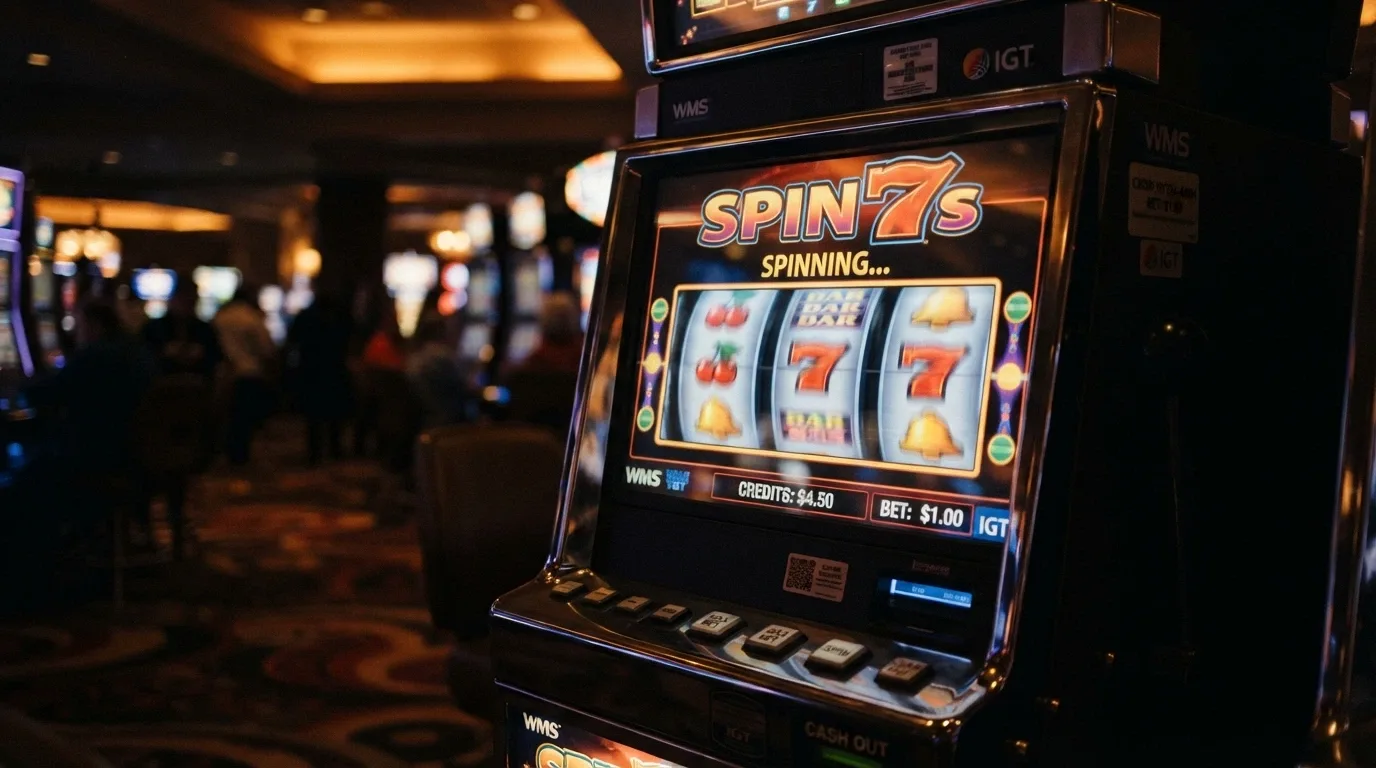
At minimum deposit, the pokie library available is the same library available to a A$100 deposit — the deposit gates the cashier, not the games. The difference is the betting range. A typical online pokie in the offshore catalogue has a minimum bet of A$0.10 to A$0.50 per spin on a multi-line game, with a few titles going lower for single-line play. A A$1 bankroll at A$0.10 per spin gives ten spins, at A$0.20 gives five, at A$0.50 gives two. The dollar vanishes in single-digit spins on the most popular games.
What this means in practice is that the A$1 deposit is a tasting menu, not a meal. A player who likes what they taste deposits again at a higher floor; a player who does not has lost a dollar on a lesson in minimum-bet mechanics. The marketing-friendly framing is that the dollar gives the player “a chance” at a real-money win — the sharper framing is that the dollar gives the player a session of ten spins at the bottom of the betting range, and the pokie’s house edge will collect its 3% to 8% across those ten spins in expectation.
Online Pokies Formats That Work on a Micro Bankroll
Low-volatility pokies stretch a micro bankroll further than high-volatility ones, all else equal. A low-volatility title pays out small wins more often, which keeps the balance alive across more spins. A high-volatility title pays out less often but in larger amounts — fine for a long session, brutal on a ten-spin budget. For a A$1 bankroll, low-volatility is the format that survives the math.
The per-spin minimum matters more than the volatility class, because a ten-spin session at any volatility is a short session. A A$0.10 minimum is the difference between ten spins and two spins on a typical modern pokie. Players with a small bankroll should sort the lobby by minimum stake first and volatility second — the format choice is downstream of the betting range.
Classic three-reel pokies tend to have lower minimum bets than modern five-reel video pokies, because they have fewer lines and a simpler stake structure. A dollar at a A$0.05 classic reel gives twenty spins; the same dollar at a A$0.20 modern video reel gives five. The library overlap is partial — not every casino offers both formats on a single cashier floor.
PayID-Funded vs Crypto-Funded Pokies
The deposit method does not change the pokie library. The same games are available to a PayID-funded player and a crypto-funded player at the same casino, on the same cashier. What the deposit method changes is the achievable minimum deposit and the session length the player can afford.
PayID is the standard Australian real-time payment rail, processing in seconds with no fees on the AUD side, and it has a minimum range of A$1 to A$10 across AU-facing casinos. Crypto clears at A$1 AUD equivalent because no fiat processor is involved to set a higher floor. The crypto-funded player who actually deposits A$1 ends up with ten spins at a A$0.10 minimum; the PayID-funded player who clears the cashier at A$10 ends up with one hundred spins at the same stake — and at any stake they choose above the minimum.
For pokies specifically, the deposit method matters less than the achievable minimum. A player who clears A$10 via PayID has a hundred-spin session at A$0.10 — enough to feel the volatility, see a feature trigger, and judge whether the casino is worth a larger deposit. A player who clears A$1 via crypto has a ten-spin session that ends before the pokie’s bonus features are likely to land. The PayID player is playing. The crypto-A$1 player is sampling.
Best-Rated Pokies at $1 Deposit Casinos
The pokies that consistently appear across competitor reviews at the A$1 deposit tier are mainstream titles from major offshore providers — BGaming, Pragmatic Play, NetEnt, Betsoft, Play’n GO. The titles most commonly named are the ones with broad availability, low minimum bets, and a feature structure that produces visible action in the first ten spins. Without verified per-title RTP or volatility data on this page, the names below are the ones competitor guides point to rather than the ones this audit could independently verify.
What to look for in a pokie on a micro bankroll is straightforward: a minimum bet low enough to stretch the session, a low-volatility profile to keep the balance alive, and a feature trigger that does not require a hundred spins to reach. The dollar is the budget; the format choice is what determines whether the budget lasts the session or evaporates on the first spin.
The Payment Methods That Decide Whether $1 Is Enough
The casino sets the advertised minimum. The payment method sets the achievable minimum. The two figures are different at most AU-facing offshore casinos, and the difference is the answer to whether a A$1 deposit actually clears.

Payment Methods for $1 Deposits Compared
| Payment Method | Minimum Deposit (AUD) | Processing Time | Fees | Withdrawals Available |
|---|---|---|---|---|
| PayID / Osko | A$1–A$10 (processor-dependent) | Instant | 0% | Yes |
| Neosurf voucher | A$1–A$15 | Instant | 0–2% | No (deposit only) |
| Cryptocurrency | A$1 equivalent | Instant | Network fees only | Yes |
PayID is the only AUD-native method that can clear at A$1 in theory. Neosurf works at the deposit but cannot be used to withdraw. Crypto clears at A$1 in practice but introduces the regulatory complication that Australian-licensed operators banned it for online wagering in 2024. The A$1 deposit is achievable through each of these methods; the implications differ.
PayID and Osko: The Fast AUD Route
PayID is the standard Australian real-time payment rail, paired with Osko for instant transfers between participating banks. For an Australian punter, it is the obvious choice — AUD-native, no conversion, instant clearing, no fees on the bank side. The minimum at an AU-facing casino should be A$1 in theory, and often is at the cashier’s advertised floor.
The catch is the processor. Many PayID deposits at offshore casinos route through a third-party processor that sets its own minimum — A$10 or A$20, regardless of what the casino advertises. A casino with a “deposit from A$1” banner may show A$10 in the cashier once PayID is selected, because the processor, not the casino, governs the floor. The fix is to test the cashier with PayID selected before signing up, but the answer is more often than not that the A$1 promise quietly becomes A$10 at the deposit screen.
PayID credit times at low-deposit casinos are short: under fifteen seconds for a A$5 deposit, fifteen to thirty seconds for A$10, thirty to one hundred twenty seconds for A$20. The slowness at higher tiers is a function of processor risk checks, not a PayID limitation. For A$1–A$10 deposits, the rail is fast.
Why Credit Cards Are a Red Flag at $1 Deposit Casinos
The Interactive Gambling Amendment (Credit and Other Measures) Act 2023 banned credit cards, credit-related products and digital currency as payment for online wagering in Australia from 11 June 2024. An operator licensed in Australia cannot accept a credit card from an Australian punter. The penalty for an operator failing to enforce the ban is up to A$247,500.
The offshore casino accepting credit cards from Australians is, by that fact, offshore and unlicensed. The payment method itself is the tell. A casino offering Visa or Mastercard deposits to an Australian player is offering a service that licensed Australian operators are forbidden to offer — which means the casino is operating outside the Australian rule before the player has deposited a cent. Credit-card acceptance is not a payment-method choice; it is a licensing signal.
The legal deposit routes for licensed Australian wagering are debit card, bank transfer, PayID/Osko and BPAY — all of which require identity verification and all of which can be traced to a bank account. Offshore casinos that take credit cards take them precisely because they do not require the same verification chain. The player pays a higher fee, the bank pays a higher dispute rate, and the operator gets a customer who is using borrowed money to gamble. That is the trade the credit-card ban was designed to stop, and it is the trade an offshore A$1 deposit casino is offering when it puts Visa in the cashier.
Mobile $1 Deposits: Convenience vs Reality
The mobile experience at an AU-facing offshore casino is the desktop experience in a smaller window. The cashier is the same cashier, the payment methods are the same payment methods, and the minimums are the same minimums — a A$1 deposit on mobile is not more achievable than a A$1 deposit on desktop, because the processor floor that governs the deposit is set on the processor side, not the device side.
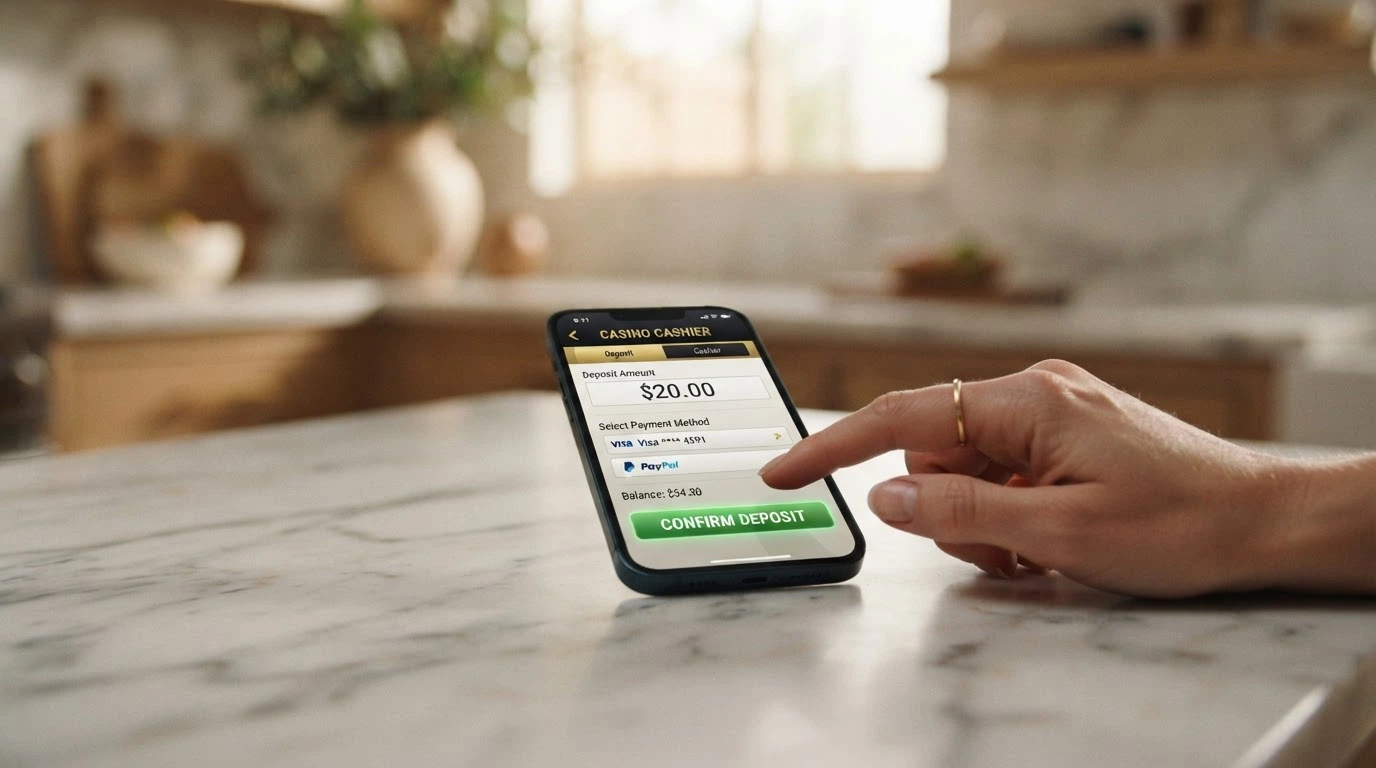
What mobile does change is the friction. Mobile browsers at offshore casinos typically route through a one-click deposit flow that prefills the saved payment method and lets the punter confirm with a thumb. A A$1 deposit on a phone takes fewer seconds than the same deposit on a desktop, partly because the form is shorter and partly because mobile punters tend to use saved methods with the lowest friction. The processor floor still applies; the speed at which the player reaches that floor is the only thing mobile changes.
The Mobile $1 Deposit Experience
The mobile deposit experience at offshore casinos is fast, and the cashier behaves the same way it does on desktop — a player who has confirmed a A$1 minimum on desktop will see the same floor on the mobile browser or app. The pokies library is the same library, with touch-optimised controls that do not change the betting range.
What mobile does not solve is the underlying minimum. A casino whose PayID processor enforces A$10 will enforce A$10 on mobile just as it does on desktop. A player who clears A$1 via crypto on desktop will clear A$1 via crypto on mobile. The device is the wrong variable to optimise on.
New $1 Deposit Casinos: Fresh Risk or Better Terms?
New offshore casinos entering the AU-facing market tend to compete on deposit minimums and welcome-bonus generosity. The competitive pressure is real — a new entrant has no track record, no player base, and no reputation, and the easiest way to attract first deposits is to advertise the lowest minimum and the largest bonus. The marketing is real; the operator behind it is unproven.

Newly Launched $1 Deposit Casinos in 2026
New operators warrant more caution, not less. The verification gap — the period between a casino launching and a track record accumulating — is the period when a player has the least data to evaluate. A licence is verifiable on the Curacao register the day the licence is issued; a corporate chain, a payment-processor history and a withdrawal dispute pattern take time to surface. New casinos have the first and not the rest.
The due-diligence steps for a new operator are the same as for an established one — live-cashier verification, payment-method testing, bonus-term reading, corporate-chain tracing — but they are more important, not less, precisely because the operator has not yet been through the cycles that test those terms. The first hundred players at a new offshore casino are, in effect, the auditors.
The Legal Reality: No $1 Deposit Casino Is Licensed in Australia
Every A$1 deposit casino accessible from Australia is offshore. There is no Australian licence for online casino games, online pokies or in-play betting — not federally, not in any state or territory. The Interactive Gambling Act 2001, strengthened by the 2017 amendment, prohibits providing those services to a person in Australia. The Interactive Gambling Amendment (Gambling Reform) Bill 2026, passed 19 August 2026 and commencing 1 January 2027, extends that prohibition with new enforcement powers but does not open the door to licensing.
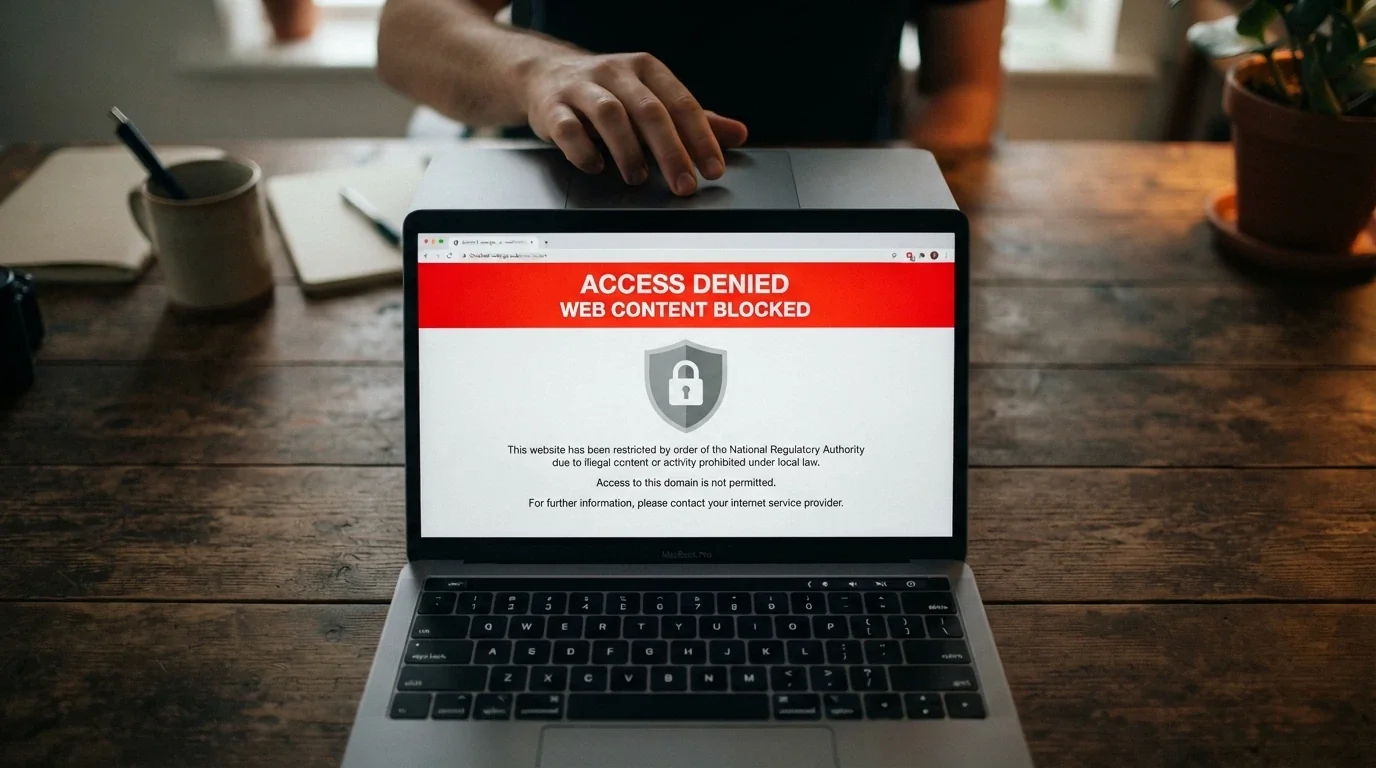
The licensable product in Australia is wagering on races and sport, placed before the event begins, through operators licensed by a state or territory. The Northern Territory Racing and Wagering Commission, administered through Licensing NT, is the de facto national licensor for online wagering — and wagering only, not casino. The point-of-consumption tax in NT is 5% on wagers minus payouts plus a 0.05% racing levy; each state sets its own POC tax, typically 10–15% of net wagering revenue. Those numbers describe a licensed wagering market that does not extend to the casino product.
Why Australia Has No Online Casino Licence
The IGA 2001 and its 2017 amendment do not regulate online casino — they prohibit it. The distinction matters because it removes the grey area that licensed-but-restricted products occupy. Online sports betting has rules; online casino has a ban. The licensed wagering framework the NT and state regulators administer covers racing and sport, and the casino product is a separate legal category that no Australian jurisdiction has chosen to license.
A player who reads “licensed Australian casino” in an offshore operator’s marketing should read it as licensed in Australia for wagering on races and sport — or licensed in some offshore jurisdiction, with the Australian word attached to a land-based casino brand rather than to an online product. Crown and The Star are state-licensed Australian casinos. Crown’s online platform and The Star’s online platform, where they exist, are not Australian-licensed casino products.
ACMA Enforcement: Blocking, Penalties and the 2026 Reform
The Australian Communications and Media Authority has had 1,564 illegal gambling and affiliate websites blocked by Australian ISPs since the first blocking request in November 2019. As of March 2026, that figure stood. The penalty for corporations providing prohibited interactive gambling services to Australians is up to A$1.65 million per day. More than 225 illegal services have withdrawn from the Australian market since enforcement was strengthened in 2017.
The 2026 reform changes the enforcement landscape from 1 January 2027. Banks and payment providers gain express authority to block transactions to illegal gambling operators, which means a PayID or bank transfer to an offshore casino may be declined by the bank rather than the casino. Wagering advertising is capped at three ads per hour between 6am and 8:30pm, with a live-sport blackout from fifteen minutes before an event until five minutes after. Athletes, celebrities and influencers are barred from promoting wagering products. Direct marketing of inducements is prohibited for fourteen days after a customer signs up, three months after a BetStop deregistration, and indefinitely for customers identified as at risk of gambling-related harm.
The reform does not legalise online casino. It tightens the prohibition and adds the tools to enforce it. A A$1 deposit casino accessible from Australia in 2027 is operating against a tighter regulatory backdrop than it was in 2026, and the bank-blocking authority is the change most likely to affect the player directly — a PayID deposit that cleared in 2026 may be declined by the bank in 2027.
What the Law Means for Your $1 Deposit
The IGA targets the provider, not the player. An Australian who plays at an offshore casino is not committing a crime and is not prosecuted under the Act. That is the limit of the legal protection the player has, and it is not a protection so much as an absence of prosecution.
What the player gives up by playing offshore is the Australian consumer-protection regime. ACMA does not mediate disputes between Australian players and offshore casinos. The Australian Financial Complaints Authority does not accept complaints about offshore gambling operators. ATO tax rules on winnings still apply, but there is no Australian regulator with the authority to compel an offshore operator to pay a disputed withdrawal. If the casino refuses to pay, voids the win, or closes the account, the player’s recourse is the operator’s own dispute process — and the operator’s interest in resolving the dispute is not aligned with the player’s.
The site can be blocked at any time. ACMA has the power to direct ISPs to block a prohibited service on the regulator’s request, and the operator’s domain can be added to the list between one day and the next. A player who holds a balance at a blocked site is in the position of trying to withdraw from a service the Australian internet has just been instructed not to reach. The player can usually still get the funds, but the friction is real.
Staying Safe When the Safety Net Doesn’t Reach
BetStop, the National Gambling Self-Exclusion Register, launched on 21 August 2023 and excludes a person from every Australian-licensed online and phone wagering service in one registration. As of 31 July 2026, BetStop had 67,480 registrations with 41,290 active exclusions — more than 60% of everyone who has registered since launch. Seventy-eight per cent of registrants were under 40; thirty-eight per cent chose lifetime exclusion. The register is the Australian player-protection mechanism for wagering, and it is effective within the wagering market it covers.
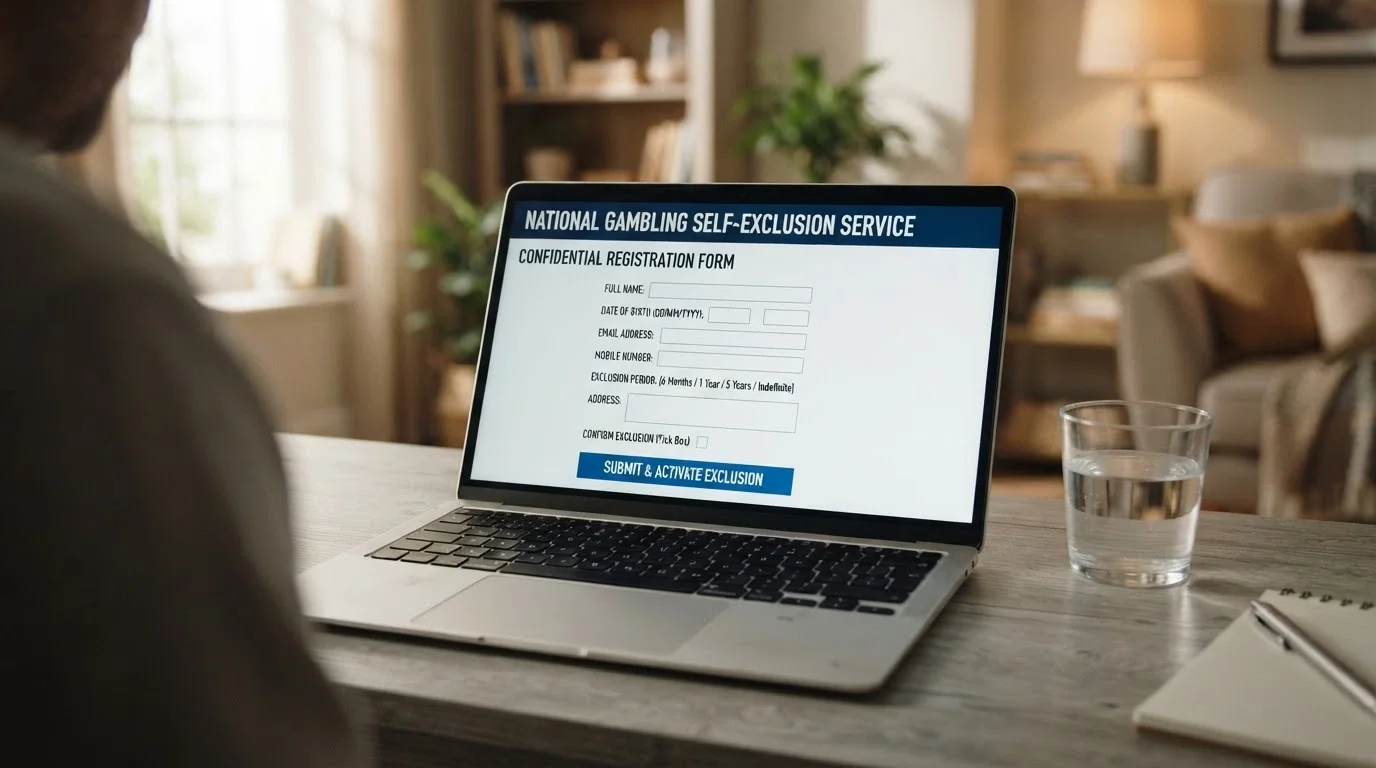
The offshore casino is not in that market.
BetStop and the Offshore Gap
BetStop binds Australian-licensed wagering services only. An offshore casino is not licensed in Australia, is not connected to the register, and will keep accepting a self-excluded person’s money. The self-exclusion does not propagate to the offshore market; the player who registers with BetStop and then opens an account at an offshore casino has not self-excluded from the offshore casino.
This is the practical limit of the safety net. A player who needs the protection of self-exclusion cannot get it through BetStop alone, because the bulk of the offshore A$1 deposit market sits outside the register’s reach. The 2026 reform strengthens BetStop’s operation — banning direct marketing of inducements for three months after a person deregisters from BetStop, from 1 January 2027 — but it does not extend the register’s binding effect to offshore operators.
The data on outcomes is for the BetStop-covered market, not the offshore one. Among self-excluded registrants, 77% report better quality of life, 79% improved mental health, 96% either completely stopped betting (81%) or decreased it (15%). Those numbers describe a population whose self-exclusion was enforced by the licensed wagering operators; the same enforcement does not exist offshore.
Deposit Limits, Reality Checks and Where to Get Help
- The National Gambling Helpline (1800 858 858) is free, confidential and staffed 24 hours a day, seven days a week — it works regardless of where the player is licensed.
- Gambling Help Online provides online chat, counselling and self-help tools outside the BetStop framework.
- Deposit-limit tools are available at most offshore casinos — a player who sets a deposit limit at an offshore cashier is relying on the operator to honour it, but the limit exists at the casino side regardless of Australian regulation.
- Reality-check and session-limit features on offshore casino platforms are player-set tools that work at the casino level, not the Australian-licence level.
- The minimum age for all commercial gambling in Australia is 18; offshore casinos accepting Australian players enforce the same minimum.
About 2.1% of Australian adults — roughly 430,000 people — experience problem gambling. The Australian Institute of Health and Welfare put high-risk gambling at 1.8% in 2022. The numbers are for the licensed and unlicensed markets combined, and the help infrastructure is for any Australian who needs it, regardless of which market they have been playing in.
How We Selected and Ranked These Casinos
The ten operators on this page are the ones Australians in fact reach for online casino and pokies, drawn from the AU operators market-share data and confirmed as active AU-facing offshore casinos through competitor-page audit. Each one is offshore-licensed and unlicensed in Australia. The ranking order is editorial — based on which operators had the most verified data on bonus terms, operator group and licence — not on a recommendation of which is safest or best.
The verification methodology followed three steps. First, every operator was checked against the Curacao e-gaming register to confirm the licence number and the licence-holder identity. Second, the operator-group affiliation was traced through corporate filings and the operator’s own Terms & Conditions. Third, the bonus terms — welcome package, free-spin allocation, wagering multiple, maximum bet, maximum cashout — were cross-referenced against the operator’s bonus terms page and at least one independent reviewer. Only Rocket Play cleared all three steps with complete data; the remaining nine cleared the licence step with operator-group data confirmed in four cases (Skycrown, Stake, Bizzo, Rocket Casino) and unconfirmed in five (Royal Reels, FairGO, WinSpirit, Rainbet, Scream).
The Australian-licence baseline is non-existent: there is no licence for online casino in Australia. Every operator on this page was checked against that baseline and found to be offshore. The 6-of-32 audit figure that drives the analysis on this page is the Slotspeak.net finding that only six of thirty-two AU-facing sites accepted a clean A$1 deposit through a payment method that did not strip the dollar in fees — the rest set higher floors or demanded higher deposits for bonus unlock.
Is a Dollar Enough? The Verdict on $1 Deposit Casinos
A dollar is the price of admission, not the price of play. The 6-of-32 audit finding — only six of thirty-two AU-facing sites accepted a clean A$1 — sets the tone. The remaining twenty-six set higher floors at the cashier, demanded higher deposits for bonus unlock, or quietly bumped the threshold up after KYC. The marketing claim of “deposit from A$1” is real for a small minority of sites and aspirational for the rest.
The deposit method matters more than the casino. A player who can clear A$1 via cryptocurrency is doing what only six of thirty-two sites accept. A player trying to clear A$1 via PayID is fighting a third-party processor whose floor is A$10 or A$20. The crypto player gets the entry-point dollar. The PayID player gets the next-tier floor and a hundred-spin session at A$0.10.
The offshore status is non-negotiable. There is no Australian licence for online casino, no ACMA complaints body for money recovery, no BetStop coverage, no bank blocking the player can rely on until 1 January 2027. The player gives up Australian consumer protection the moment the deposit clears, and the casino’s response to a disputed withdrawal is the only response the player has. That is not a reason not to play. It is the price of admission to the offshore market.
A A$1 deposit makes sense when the player wants to test a casino’s cashier, see the live lobby, and judge whether the brand is worth a larger deposit. It does not make sense as a way to claim a real welcome bonus — the bonus thresholds sit above A$1, the wagering multiples are heavier than the market average, and the maximum cashout caps are tight. A A$1 deposit makes sense as a sample. It does not make sense as a strategy.
The 2027 reform changes the calculation. Bank-blocking authority from 1 January 2027 will affect the AU-facing deposit routes, and an offshore casino that cleared a PayID deposit in 2026 may not clear the same deposit in 2027. The dollar that buys entry today may not buy entry tomorrow, and a player deciding whether to test an offshore cashier should test it now rather than wait for the regulatory backdrop to tighten further.
The dollar is the size of the experiment, not the size of the bankroll. Twenty-six of thirty-two audited AU-facing casinos do not accept it at the cashier, despite advertising they do. The ones that do accept it operate offshore, outside Australian regulation, outside BetStop coverage, and — from 1 January 2027 — potentially outside bank-blocking reach as well. A A$1 deposit is a way to test the cashier of an offshore casino before committing more. It is not a way to play online casino legally in Australia, because no legal route exists. It is a sample, not a strategy.
Frequently Asked Questions
Can I really deposit just $1 at an online casino in Australia?
A clean A$1 deposit is achievable at a minority of AU-facing offshore casinos — six of thirty-two sites audited in 2026 cleared a dollar without stripping it in fees. The reliable route is cryptocurrency, because PayID often enforces processor minimums of A$10 to A$20. The dollar clears; the welcome bonus may not.
Do $1 deposit casinos offer real welcome bonuses or just free spins?
Both, but modest. Micro-deposit bonuses typically offer 100% to 200% matches capped at A$5 to A$10, with 10 to 25 free spins against the 50 to 200 at higher tiers. Wagering runs 35x to 50x on the bonus, against 25x to 35x on standard offers. A dollar buys a token position, not a meaningful one.
What is the difference between a $1 crypto deposit and a $1 PayID deposit?
The crypto A$1 deposit clears because no fiat processor is involved. The PayID A$1 deposit often becomes A$10 or A$20 at the cashier because the casino’s PayID processor enforces its own floor. Both are instant. Crypto is banned for online wagering from Australian-licensed operators since 11 June 2024 — but no Australian-licensed operator offers online casino.
Can I withdraw winnings from a $1 deposit casino?
Withdrawal is available at most AU-facing offshore casinos, but the maximum cashout from a micro-deposit bonus is typically capped at A$50 to A$100, regardless of the actual win. The dollar can stretch into a session; the bonus win cannot stretch past the cap. Read the maximum-cashout figure before depositing.
Is it safe to play at offshore $1 deposit casinos from Australia?
The player is not prosecuted under the IGA but gives up Australian consumer protection when the deposit clears. ACMA does not mediate disputes with offshore operators; AFCA does not accept complaints about them. The operator can be blocked at any time with the player’s balance in it. Offshore play is legal; it is not protected.
Does BetStop cover $1 deposit casinos?
No. BetStop binds Australian-licensed wagering services only. An offshore casino is not licensed in Australia, is not connected to the register, and will keep accepting a self-excluded person’s money. The 2026 reform strengthens BetStop from 1 January 2027 but does not extend the register to offshore operators. Self-exclusion through BetStop does not stop offshore play.
Published by the Live Casino Australia team.